
U.S. Virgin Islands · St. Croix
Hurricane & property insurance for St. Croix — built for the storm, not the brochure.
Condo associations, HOAs, and commercial buildings — structured for the perils that actually define a Caribbean property risk: named windstorm, earthquake, flood, and loss assessment. Placed through surplus lines and specialty catastrophe markets by a USVI-licensed producer, with replacement-cost submission work and programs built for the claim fight that follows every major storm.
The Two Perils That Define a St. Croix Condo Policy
St. Croix condo insurance is not the same as insuring a condominium on the mainland. Two catastrophe perils sit at the center of every placement — hurricane and earthquake — and each carries its own limit, its own deductible, and its own market. A master policy copied from a stateside association almost never carries adequate named-storm or earthquake limits for a Caribbean building, and the gap only becomes visible after a loss.
The U.S. Virgin Islands took a direct, back-to-back hit from Hurricanes Irma and Maria in September 2017 — two Category 5 storms within two weeks. Carriers repriced the territory hard afterward, and the admitted market for catastrophe-exposed USVI property remains thin. St. Croix also sits along the seismically active Puerto Rico Trench; the region has produced destructive earthquakes and tsunami historically, which is why lenders and prudent boards treat earthquake as a coverage requirement, not an option.
Because named windstorm and earthquake are high-severity, low-frequency perils in the USVI, they are typically written with percentage deductibles and dedicated per-peril limits — often across surplus lines and specialty catastrophe markets rather than a single admitted carrier. The goal of a good placement is that the master policy, the unit-owner HO-6, and the association's reserves line up so that no single event forces an uninsurable special assessment.
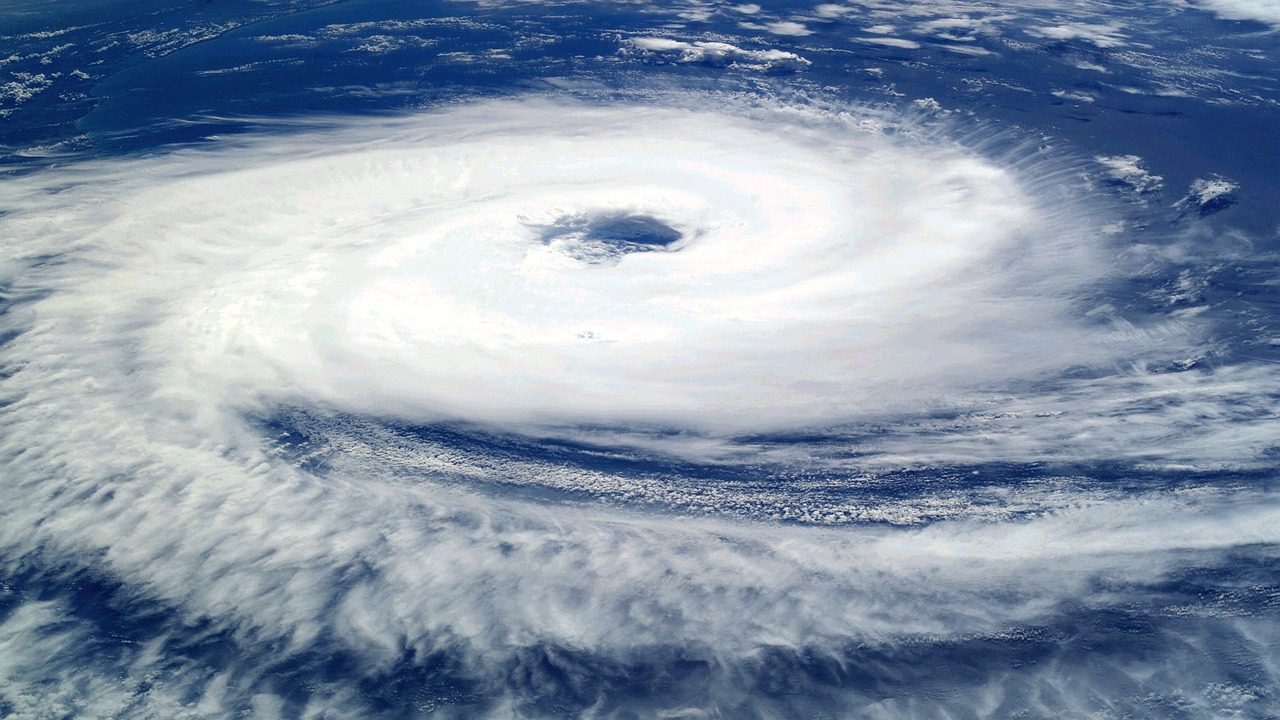

Coverages for St. Croix Condos & Associations
A complete St. Croix condo program usually combines several coverages working together at the association (master) level and the unit-owner level.
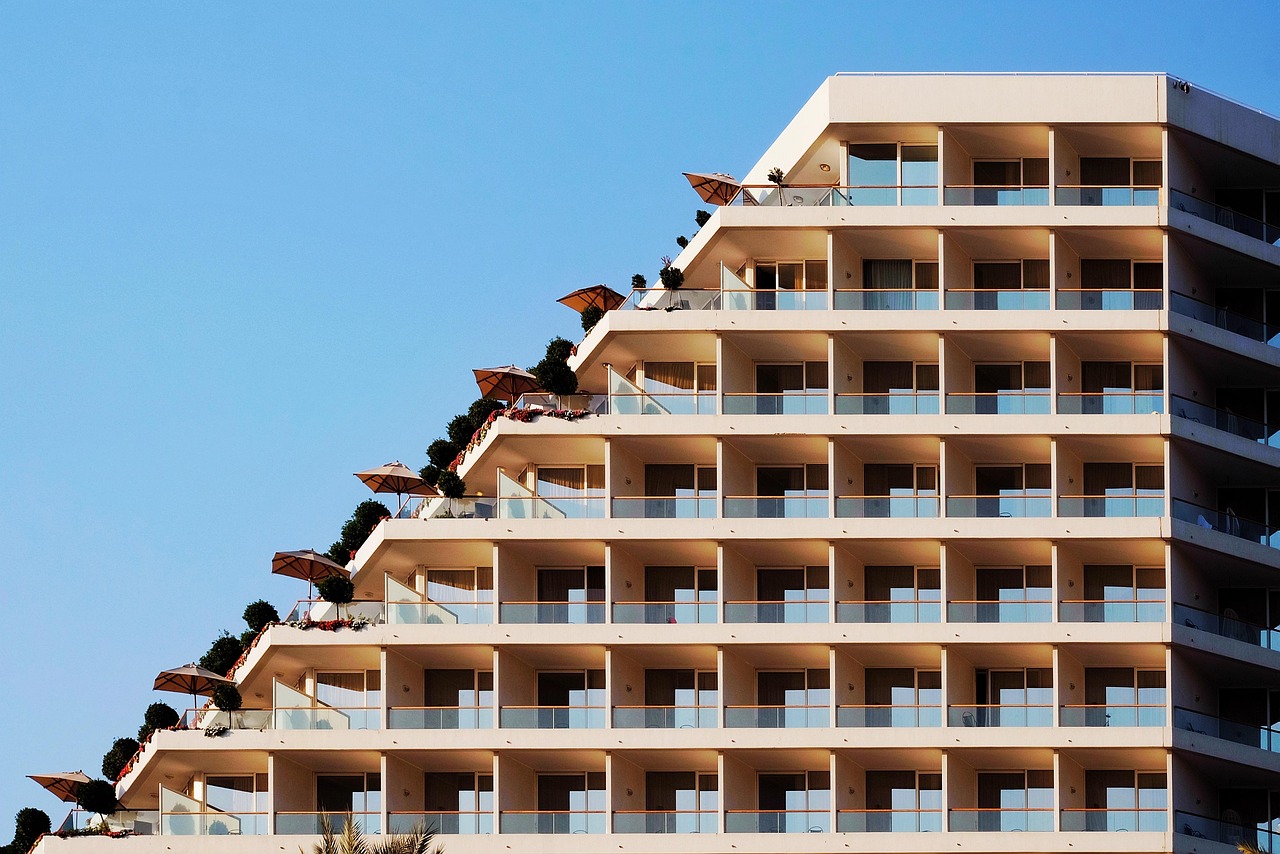
Windstorm & Hurricane
Named-storm coverage for the building envelope, roof, common elements, and structures — the primary catastrophe exposure in the USVI. Written with a percentage (not flat) deductible and dedicated limits.
Earthquake
Coverage for shake damage to the structure and common elements, reflecting St. Croix's proximity to the Puerto Rico Trench. Usually a separate peril with its own limit and deductible.
Flood & Storm Surge
Ground-level and surge-driven water is excluded from most wind policies. Flood is placed separately — through the NFIP where eligible or private flood markets for higher limits on coastal buildings.
Master Property (Association)
The building and common-element policy the association carries. Structured to a defensible replacement cost and insurance-to-value so a partial hurricane loss isn't hit by a coinsurance penalty.
Unit-Owner HO-6
Interior "walls-in" improvements, personal property, personal liability, and — critically — loss assessment coverage that responds when the association levies a post-catastrophe special assessment.
Loss Assessment
The bridge between the master deductible and the unit owner. When a hurricane or earthquake deductible triggers a special assessment across all owners, this coverage on the HO-6 helps each owner pay their share.
Association General Liability
Third-party bodily injury and property damage on common areas — pools, walkways, docks, and amenities that carry real exposure in a resort-oriented market.
Directors & Officers (Board)
Protects volunteer board members against claims arising from association governance decisions — including disputes over insurance adequacy, assessments, and reserve funding after a storm.
Business Interruption / Loss of Assessments
For associations with rental income or shared revenue, and to cover ongoing common expenses when units are uninhabitable during a long post-hurricane rebuild.
What St. Croix Condo Boards Get Wrong
Most coverage gaps on a St. Croix condo aren't exotic — they're the predictable result of treating a Caribbean building like a mainland one. The issues that surface after a claim:
- Underinsured to value — Rebuild costs in the USVI (materials shipped in, limited contractor capacity after a storm) run well above stateside assumptions. A building insured to an old or mainland-based value faces a coinsurance penalty on a partial hurricane loss.
- Flat deductible assumptions — Boards budget for a fixed deductible, then discover the named-storm deductible is a percentage of building value — a six-figure number on a multi-unit building, per event.
- No earthquake limit — Wind gets attention; earthquake gets skipped. Lenders increasingly require it, and a shake loss on an uncovered building falls entirely on the association.
- Owners with no loss-assessment coverage — When the master deductible triggers a special assessment, unit owners without loss-assessment coverage on their HO-6 pay out of pocket — a frequent source of disputes and D&O claims.
- Flood assumed to be included — Surge and ground water are excluded from wind policies. Without a separate flood placement, coastal ground-floor units are exposed.
- Single-carrier dependence — Relying on one admitted carrier that later exits the USVI market leaves the association scrambling at renewal. Surplus lines and layered placements add resilience.
Heuston's structures St. Croix condo programs across standard, surplus lines, and specialty catastrophe markets — aligning the master policy, unit-owner HO-6 recommendations, and deductible strategy so the association isn't exposed to an uninsurable assessment. Coverage is subject to underwriting review.
Know the Island: St. Croix by Exposure
St. Croix is the largest of the U.S. Virgin Islands — roughly 84 square miles, about 40 miles south of St. Thomas and St. John, sitting alone on its own bank in the Caribbean Sea. Where a building sits, how it's built, and how close it is to the shoreline all move the underwriting. A well-structured master program reflects the specific exposure of the property, not a generic "Caribbean" rate.
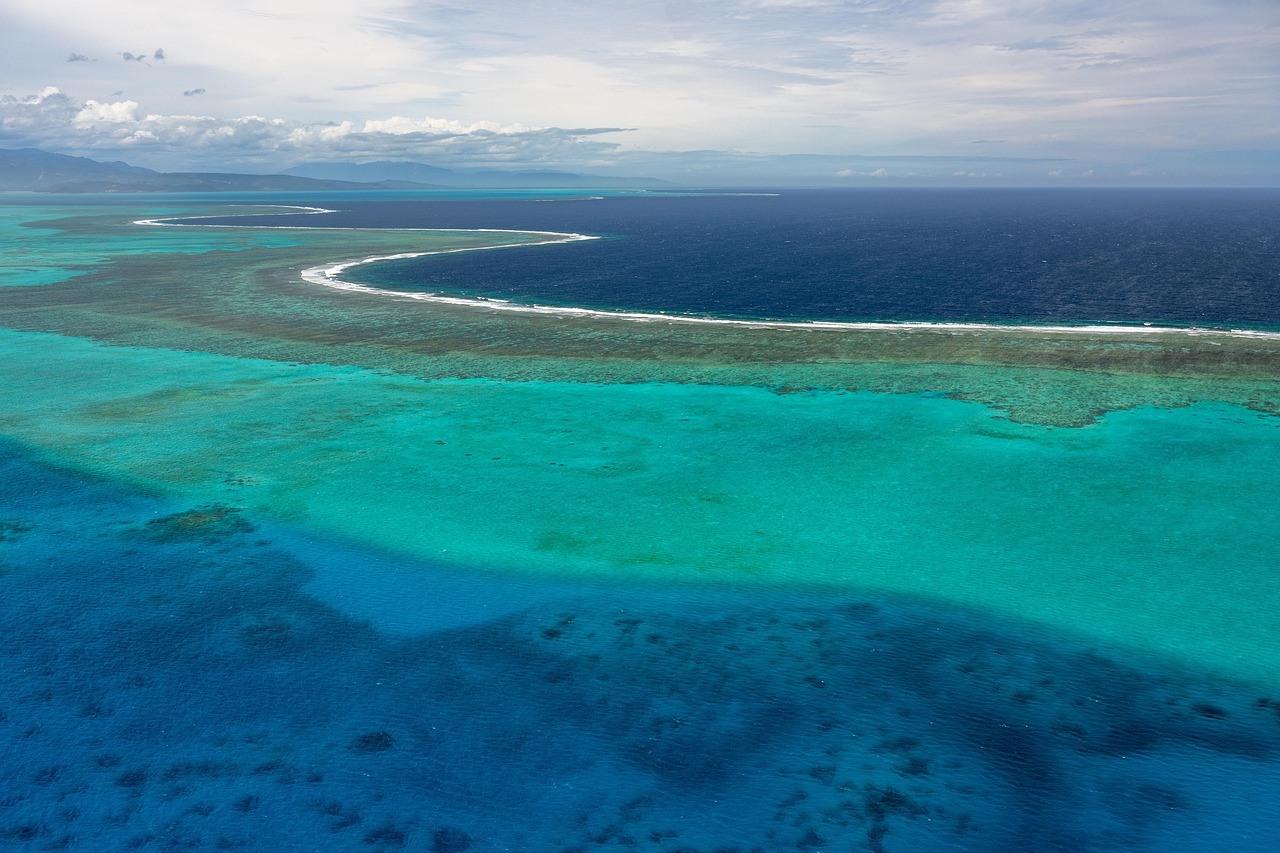
Exposure varies across the island
- Christiansted & the north-central shore — the historic harbor and nearby condos: dense, older masonry stock with waterfront and boardwalk exposure to surge and wind-driven rain.
- East End — the driest, most wind-exposed end of the island; open ocean fetch makes named-storm wind the dominant peril.
- North Shore & rainforest side — steep terrain above the coast, where rainfall, runoff, and erosion considerations sit alongside wind.
- Frederiksted & the West End — the western harbor and cruise pier; low-lying shoreline with surge and flood exposure.
- Interior & south-central plain — set back from the shoreline; wind and earthquake remain the governing perils, flood generally lower.
Construction matters as much as location
Reinforced-concrete buildings with hurricane-rated roofs and shutters underwrite very differently from older wood-frame or mixed-masonry structures with gable roofs. Roof age, roof-to-wall connections, opening protection, and the year of the last major renovation are central to both pricing and market availability. An accurate statement of values and a current appraisal are the two documents that most often move a St. Croix placement in the association's favor.
The U.S. Virgin Islands have absorbed repeated major events — Hurricane Hugo (1989), Hurricane Marilyn (1995), and the back-to-back Category 5 strikes of Irma and Maria (September 2017). St. Croix also sits near the seismically active Puerto Rico Trench; the 1867 Virgin Islands earthquake and tsunami, and more recent regional seismic activity, are why lenders and prudent boards treat earthquake as a required coverage rather than an optional one. That catastrophe history is exactly why admitted capacity is thin and why surplus-lines and specialty markets carry most USVI condo risk today.
Frequently Asked Questions — St. Croix Condo Insurance
Do St. Croix condo associations need separate hurricane and earthquake coverage?
Usually yes. In the USVI, windstorm/hurricane and earthquake are typically written as distinct perils with their own limits and deductibles — often as separate policies or endorsements placed through surplus lines markets. A standard mainland master policy rarely carries adequate named-storm or earthquake limits for a Caribbean building, so both perils must be structured deliberately.
What is a named-storm (hurricane) deductible?
Caribbean property policies almost always apply a percentage deductible for named windstorms — commonly 2% to 5% of the insured building value rather than a flat dollar amount. On a multi-million-dollar condo building that can be a six-figure deductible per event, which is why associations should plan reserves and unit owners should carry loss-assessment coverage on their HO-6.
Does a unit owner still need an HO-6 policy?
Yes. The association master policy covers the building and common elements. A unit owner needs an HO-6 for interior improvements, personal property, personal liability, and loss assessment coverage that responds when the association levies a special assessment after a hurricane or earthquake deductible or shortfall.
Can you still place condo coverage on St. Croix after Irma and Maria?
Yes. The admitted market for USVI catastrophe-exposed property is limited, so most St. Croix condo and association coverage is placed through surplus lines and specialty catastrophe markets. Heuston's is licensed in the U.S. Virgin Islands and structures windstorm, earthquake, and flood placements for association boards and unit owners. Coverage is subject to underwriting review.
What information do you need to quote a St. Croix condo association?
Typically the number of units and buildings, year built and construction type, roof age and type, current statement of values or appraisal, prior loss history, current deductibles and limits, and the association's governing documents. Call 609-812-1962 and we'll walk your board through the checklist.
Free Master-Policy Coverage-Gap Review
The most common — and most dangerous — condition on a St. Croix condo is a master policy written below replacement cost. When a board knows, or reasonably should know, that its buildings are underinsured and doesn't act, that exposure can attach personally to the directors through their fiduciary duty. A coverage-gap review is how a board gets ahead of it before a storm forces the question.
Heuston's offers association boards a no-cost, no-obligation review of the current master program. You get a plain-language read on where the exposure actually sits — and what a better-structured placement would look like. It is an educational analysis for a property of your type; it does not state or confirm any specific association's actual policy terms.
Replacement-cost / insurance-to-value adequacy · named-storm vs. all-other-wind deductibles · earthquake limit and deductible · ordinance or law (Coverage A/B/C) · directors & officers (board fiduciary) liability · the loss-assessment gap between the master deductible and unit owners. Coverages are typically afforded under applicable ISO or surplus-lines forms, subject to exclusions, endorsements, deductibles, and policy terms — the review is a diagnostic, not a guarantee of coverage.
Get Ahead of the Exposure — Not the Assessment
Direct broker access to surplus lines and specialty catastrophe markets for USVI condos and associations. Windstorm, earthquake, flood, and loss assessment — structured to actual exposure, with a free master-policy gap review to start.