
01
Specialty by Design
Garage, tow, salvage, and trucking risks are not "miscellaneous commercial." We've placed them as a dedicated practice for four decades.
Independent commercial brokerage · Established 1985
Forty years placing commercial lines for used car dealers, garages, tow operators, salvage yards, and trucking fleets across New Jersey, Pennsylvania, and New York — now extending into the U.S. Virgin Islands. The only commercial broker who builds the software his industries run on.
Garage, tow, salvage, and trucking risks are not "miscellaneous commercial." We've placed them as a dedicated practice for four decades.
Underwriters quote what they understand. Clean ACORDs, complete loss runs, narrative supplements — every submission, every time.
Coverage is interpreted at the moment of claim. We structure policies, endorsements, and limits to hold up under scrutiny — not just to bind.
Forms and exclusions explained in language you can use to make decisions — and forward to your accountant, attorney, or banker.
Commercial Lines
Every line below is placed in our office. We write each as a discrete coverage decision — not a checkbox on a package — and we coordinate them so primary, excess, and specialty layers actually respond when triggered.
Used car dealers, repair shops, body shops, service stations. Liability for premises and operations, plus garagekeepers legal liability for customer vehicles in your care, custody, and control — direct primary, legal liability, or excess basis.
Tow operators face stacked exposures: auto liability on the wrecker, on-hook for the vehicle being towed, garagekeepers for vehicles on the impound lot, and contingent cargo for what's inside. Each is a separate placement decision.
For-hire trucking under FMCSA authority requires more than a certificate. We coordinate auto liability, MCS-90 endorsement, motor truck cargo, trailer interchange, and physical damage with attention to filing status and operating radius.
Salvage yards combine garage exposures with environmental, fire, and theft profiles most carriers underwrite cautiously. We work the surplus market when standard markets decline, and we structure pollution coverage as a separate decision.
Fleets of mixed power units, trailers, and service vehicles need a coherent schedule, not a stack of mismatched policies. We unify the schedule, align the named insureds across LLCs, and document drivers to underwriting standard.
When the standard market declines, the placement still has to happen. Surplus lines access for catastrophe-exposed property, hard-to-place liability, and emerging-market risks — placed with appropriate disclosures to the insured.
Buildings, contents, business income, and ordinance or law for the way your operation actually functions today. Replacement cost analysis informed by current carrier valuation tools — not a number copied from last year's renewal.
Workers compensation written to class code accuracy and audit-defensible payroll segregation. Umbrella and excess layers underwritten to the underlying schedule — not bolted on as an afterthought.
Coverage descriptions above are general summaries for orientation only. Specific coverage, conditions, exclusions, and limits are governed by the policy as issued and applicable law. Nothing on this page constitutes a binder, quote, or amendment to any policy.
Specialties
These are the operations we've quoted, written, and serviced through claims. We know the forms, the carrier appetites, and the underwriting questions before they're asked.
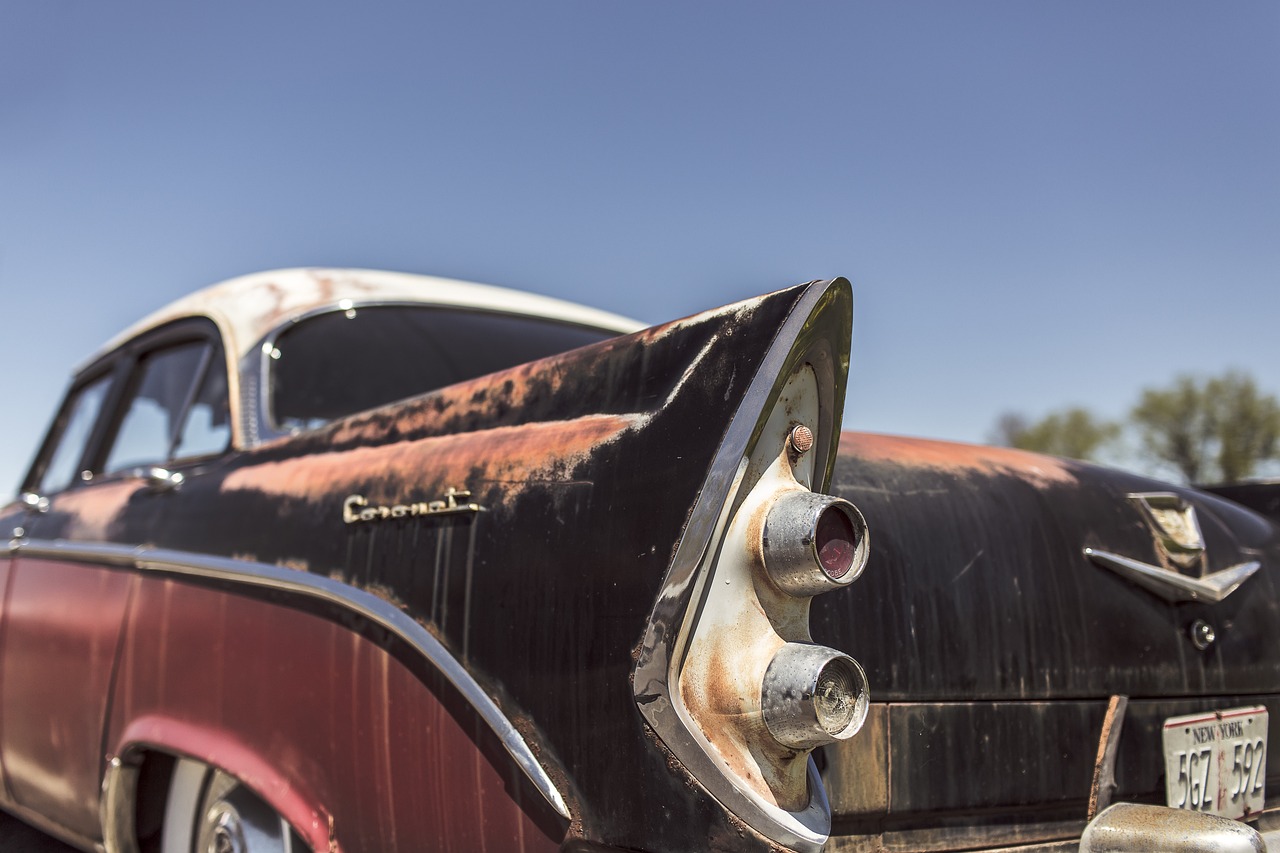
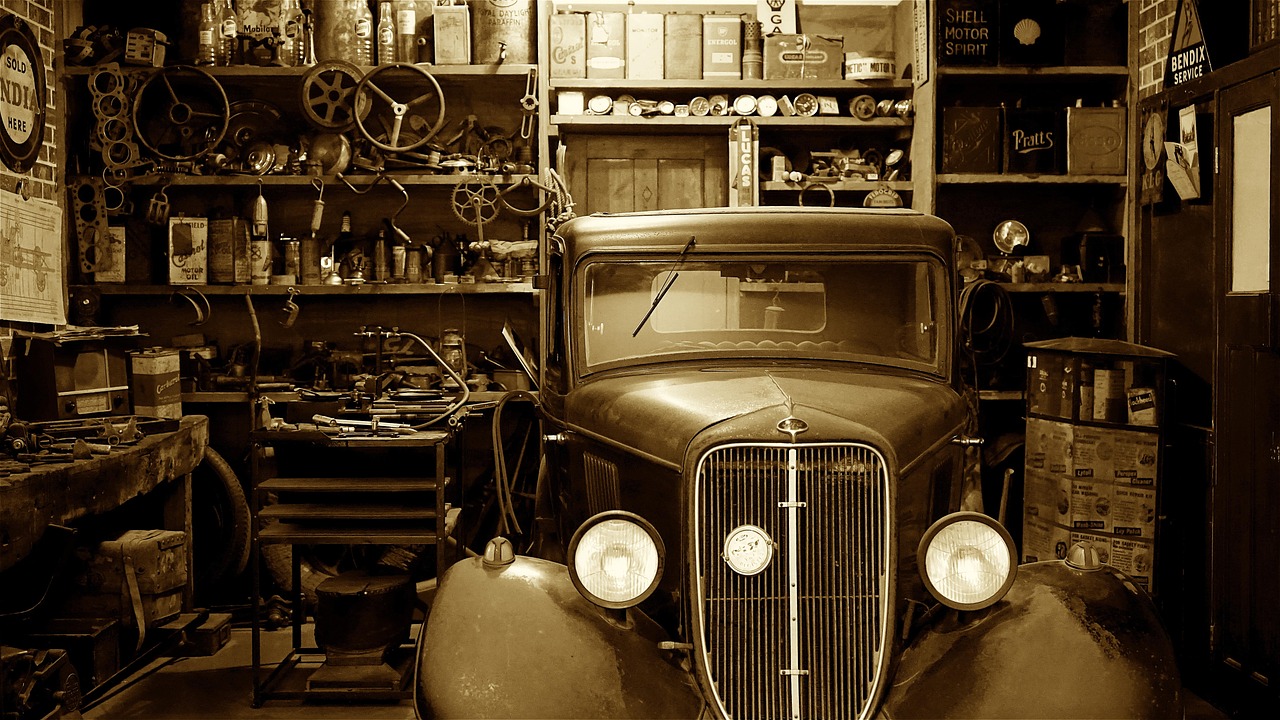
From single-location independent lots to multi-location franchised operations. Garage liability with proper symbols and coverage triggers, garagekeepers in the form that matches your customer-vehicle exposure, and open-lot property with valuation aligned to your inventory accounting.
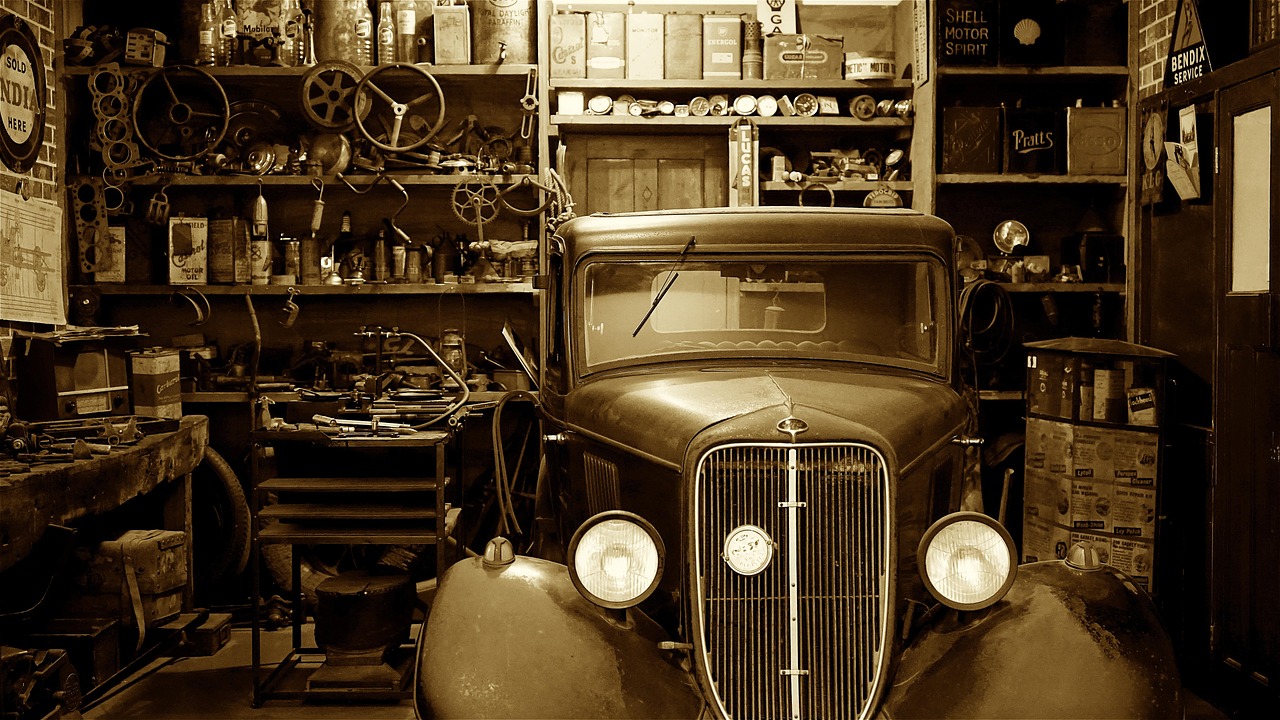
Mechanical, body, paint, and full-service stations. Faulty work exclusion analysis, customer vehicle coverage triggers, lift and tool floater considerations, and underground storage tank pollution where applicable.
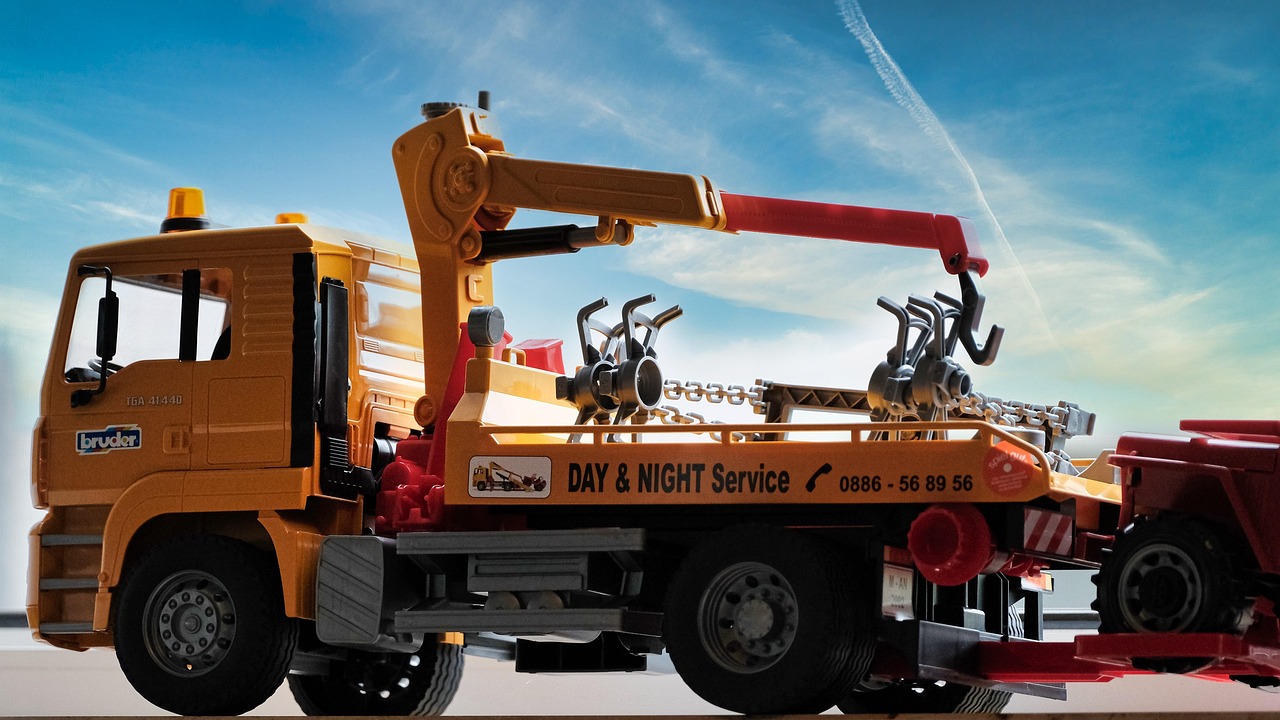
Light, medium, and heavy duty. Wheel-lift, flatbed, integrated, and rotator. Police-tow rotation contracts, consent tows, and private property impound — each with different liability triggers and contractual requirements.
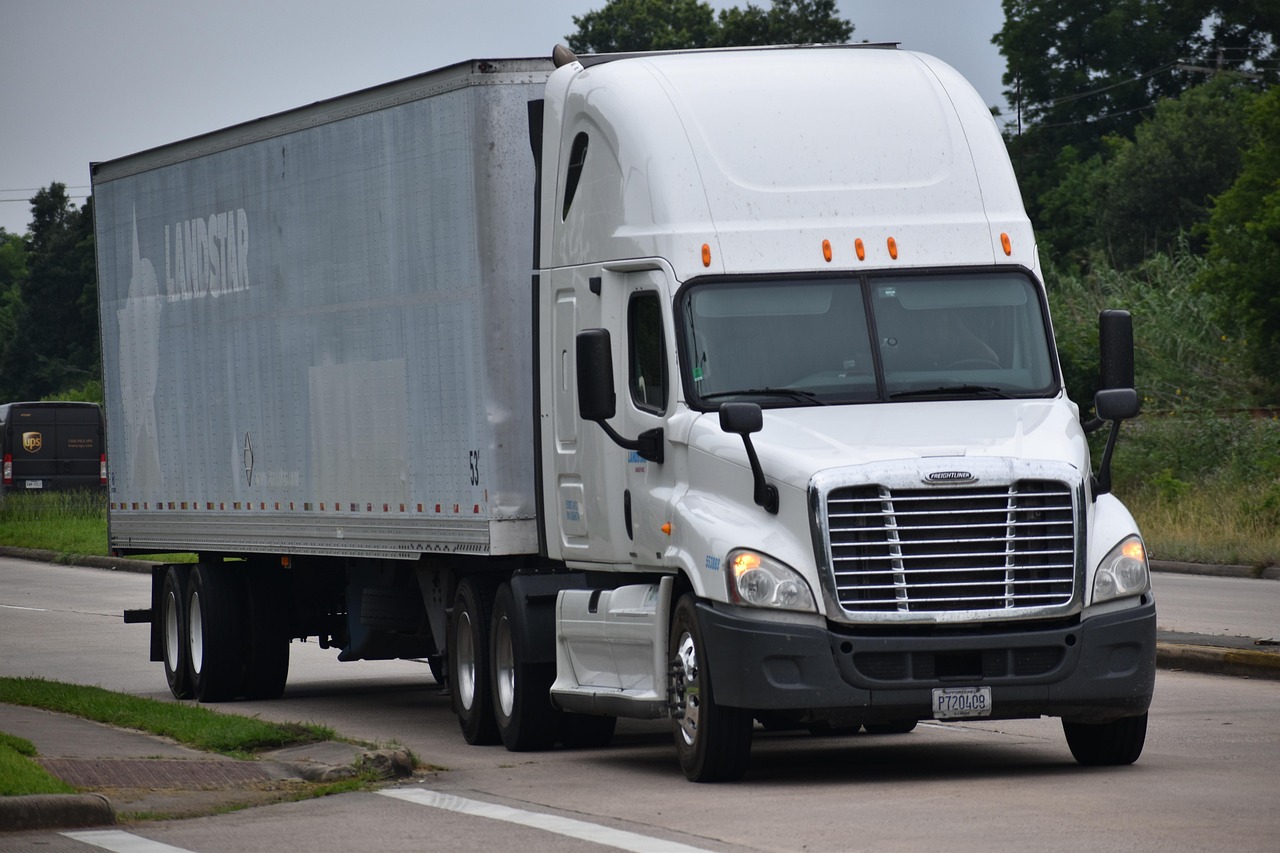
Local, regional, and OTR for-hire. Auto liability with MCS-90 where required, motor truck cargo with commodity-appropriate limits and exclusions, trailer interchange, and physical damage. Filings (BMC-91, Form E) coordinated with the carrier.
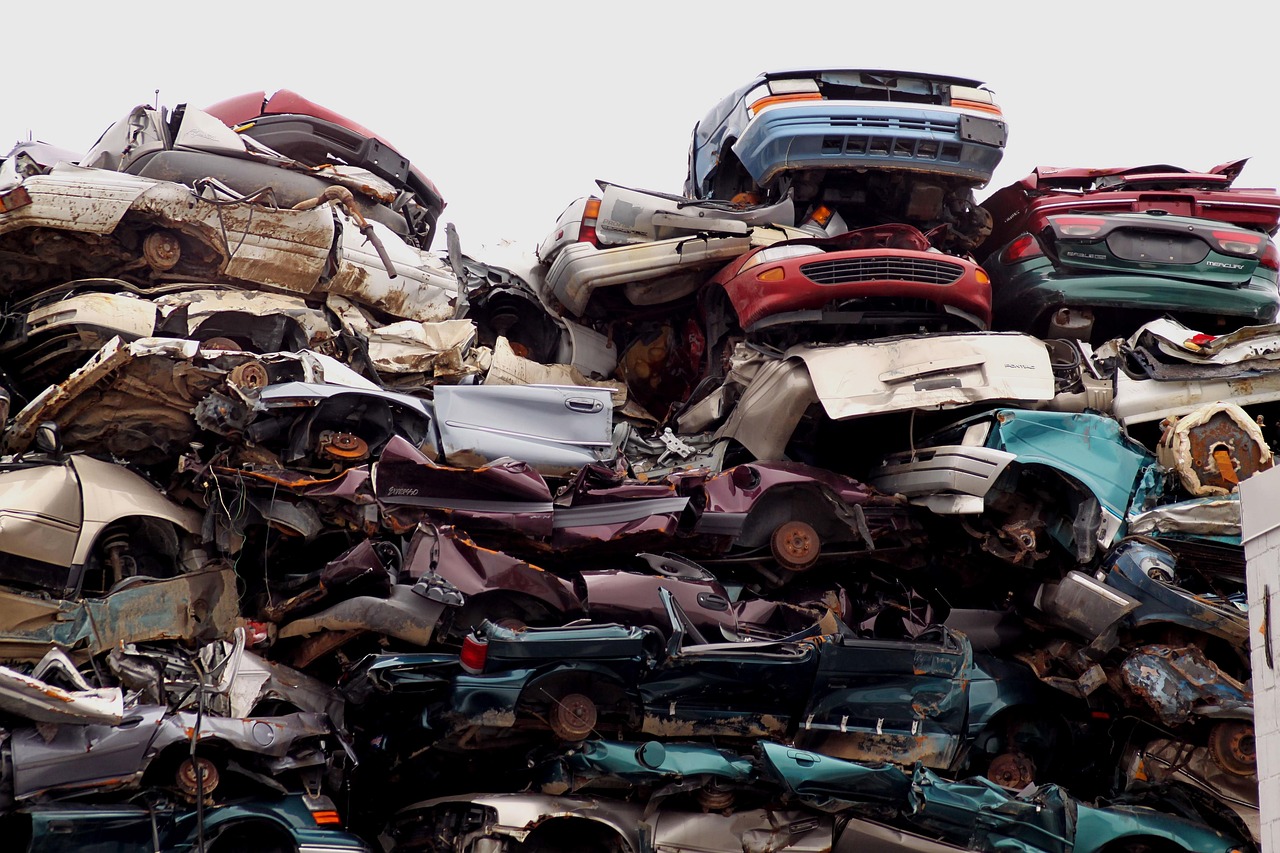
Pull-and-pay, full-service dismantlers, and crushing operations. Surplus market access for accounts standard markets decline, with attention to fluids handling, tire stockpiles, and torch/cutter operations as separate underwriting questions.
Operators with vehicles titled across multiple LLCs need a single, coherent insurance schedule that matches the registrations. We coordinate bill-of-sale documentation, named-insured wording, and additional-insured endorsements so coverage doesn't get challenged at claim.
How We Work
Carriers quote what they understand, decline what they don't, and price the difference. Our submission discipline is built to remove ambiguity — and to give you a record you can stand behind through renewal, audit, or claim.
We map the operation as it actually runs today — entities, locations, vehicles, drivers, contracts, prior losses. We flag the exposures the prior submission missed before we touch a single ACORD.
We design the coverage structure: which lines, which forms, which limits, which endorsements — and which gaps require a separate placement or an explicit acknowledgment.
Clean ACORD 125/126/127/137/140/152, narrative supplement, current loss runs (typically 5 years), driver list with MVRs, vehicle schedule with VINs, financials where required.
We work the standard market first. When standard declines, we work surplus with full disclosure. We negotiate forms, not just price.
Side-by-side proposal with coverage differences identified in plain English. E&O-compliant disclosure language. Decision documented in writing before bind.
Certificates, endorsements, audits, and renewal pre-work. When a claim hits, we coordinate with the carrier and document the file — the broker's role is to facilitate and advocate; coverage positions are the carrier's call.
About the Firm
Heuston's Insurance Services LLC has operated as an independent commercial insurance brokerage since 1985, based in Tuckerton, New Jersey. The practice is built around niche commercial lines — garage, dealer, towing, salvage, fleet, and trucking — with appointments and surplus-lines access across New Jersey, Pennsylvania, and New York.
Owner Tom Heuston runs the firm on a few non-negotiable principles: E&O discipline, proper role boundaries between broker, underwriter, and claims, plain-English client communication, and what he calls forethought — anticipating the next question and surfacing exposures before the client identifies them.
The firm is currently extending its commercial practice into the U.S. Virgin Islands, targeting the St. Croix commercial and association market with surplus-lines placements for catastrophe-exposed property and specialty liability.
Client Testimonials
Tom explained the difference between dealer plate coverage and garagekeepers better than anyone I'd spoken with in fifteen years. When we had a question about a customer vehicle that was damaged on our lot, he had a clear answer within the hour.
Three other brokers couldn't get us quoted after a loss. Tom knew exactly which surplus markets to approach and had a clean submission package in front of them the same week. We've renewed with him every year since.
We've been with Tom since 2009. Every time something changes in the operation — a new yard, more vehicles, a new driver — he's the first call. He asks the questions we haven't thought of yet.
The MCS-90 explanation alone was worth the phone call. Tom knows FMCSA filings cold — the endorsement, the surety alternatives, what it covers and what it doesn't. We moved our entire fleet book to Heuston's after that first conversation.
Testimonials reflect individual client experiences and are not a guarantee of coverage, outcomes, or service. All coverage subject to policy terms and underwriting approval.
Resources
Two coverages, often confused, with very different triggers. When each responds, where the gaps appear, and what the right form looks like for a NJ used car dealer.
Read the article →What the MCS-90 is, what it isn't, and why it doesn't replace cargo coverage. Filing status, surety alternatives, and common pitfalls.
Request the brief →The information underwriters need before they'll quote a tow account — and the documentation you need to keep in your file regardless.
Request the kit →USVI condo association master policies and unit-owner HO-6 coverage: named-storm and earthquake deductible math, flood, and loss assessment. Licensed in the U.S. Virgin Islands.
St. Croix condo insurance guide →Large commercial property and condo/HOA master policies in St. Thomas, St. John and St. Croix — named-storm deductible math, valuation, business income, surplus lines.
USVI commercial property guide →Your on-hook limit versus the most expensive vehicle you towed last quarter — the gap in dollars, not adjectives. Three inputs, instant number.
Run your number →Units on the lot × average value versus your open-lot limit. A lot-wide hail event settles at the limit on the page, not the value on the lot.
Run your number →For USVI condo boards: translate your percentage named-storm deductible into the dollar figure per event — and the assessment per unit.
Run your number →A full lot in one hailstorm is one occurrence against one garagekeepers limit. See your self-insured gap on the worst day — and whether your basis pays at all.
Run your number →15-point policy audit for NJ used car dealers. Verify your garage form, symbols, garagekeepers, and open lot limits before your next MVC renewal — then print it for your file.
Download free checklist →Garage liability, garagekeepers, dealer plates, and NJ MVC compliance. Statutory citations, common claim denial paths, and dealer-specific FAQs.
NJ dealer insurance guide →PA Board of Vehicles Act compliance, $20,000 dealer bond, garagekeepers, dealer plates, and workers compensation for PA used car dealers.
PA dealer insurance guide →VTL § 415, DBL and Paid Family Leave requirements, dealer plate coverage, and compliance for NY used car dealers outside the five boroughs.
NY dealer insurance guide →Core coverage stack, state-specific requirements for NJ, PA, and NY, and a 10-point checklist to audit your current program against common claim denial paths.
Read the article →Educational materials only. Not a substitute for the policy as issued or for advice from qualified legal, tax, or insurance professionals on specific facts. Materials updated periodically; always confirm current applicable law and form editions.
Submissions
Tell us what you need quoted. We'll come back with a list of what's required to complete the submission, an honest read on which markets are appropriate, and a target turnaround. No marketing call, no boilerplate — just the next concrete step.